Gum Disease: Be on the Lookout for the Signs

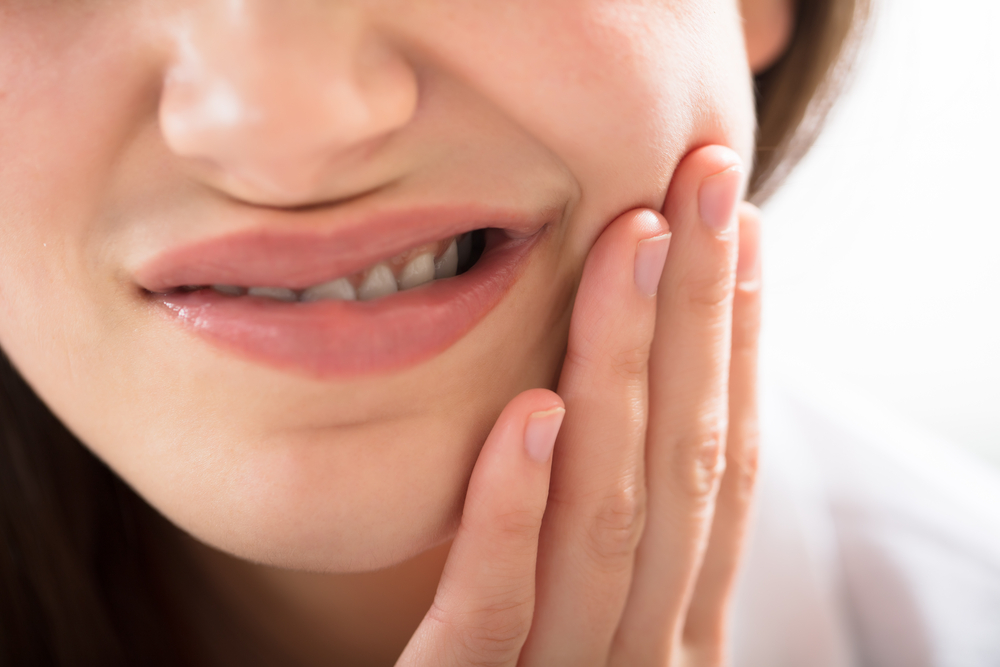
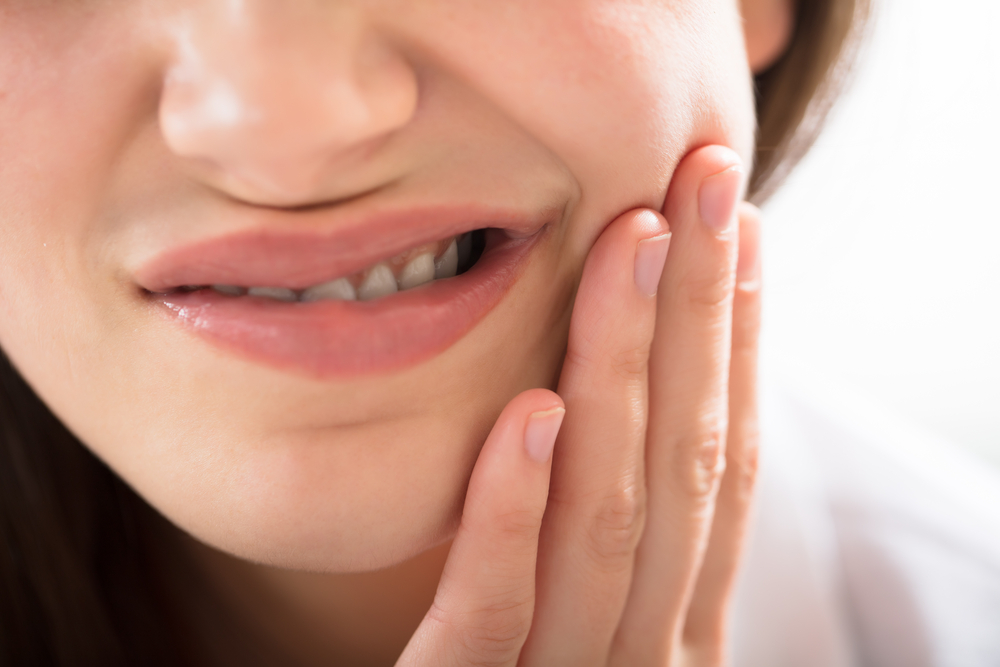
Dealing with advanced gum disease every day can make even the simple things in life, such as eating, drinking and speaking, uncomfortable. Many people do not realize how important gum health is and only focus on keeping their teeth healthy. This lack of awareness means there are more people than ever who may be suffering from the early stages of periodontitis. Our dentists in Eau Claire, WI, help patients evaluate the health of their gums and gives them options for treatment. The end result for many of our cases is stronger teeth and an improved outlook. Here are some of the signs and symptoms you should be checking for if you are concerned about periodontitis.

Stinky Breath

One embarrassing symptom of gum disease that you may not even realize you have is bad breath. If you are hiding your bad breath’s odor with a temporary fix like mouthwash, you may need a better solution that focuses on your gum health.

Blood

Diseased gums can be sensitive when you brush your teeth. If you see blood in the sink every time you brush your teeth, there may be a problem with the condition of your gums.

Pain

Sore or tender gums are another strong sign that you may have an early case of periodontitis. Your gums may also appear swollen and redder than the average healthy set of gums.

Loose Teeth

If your gum problems are not treated right away, the condition can get worse. Periodontitis may also be accompanied by loose teeth and a receding gum line. This leads to an increased risk of tooth loss and even more discomfort.

If you have experienced one or more of these signs, it is imperative to seek treatment right away. In many cases, we can start you on a treatment plan that reverses this condition and gives you a healthy smile again. Contact us today for more information.

6 Responses

  1. Thank you for this great information. I know that If our gum problems are not treated right away, the condition can get worse. This post is become a reminder to me. Very interesting and helpful post. Keep posting these type of informative articles. Visit best essay writing service to get writing help.
  1. It was helpful for me to know that one of the signs of a periodontal disease is the sensitivity of gums that makes is prone to bleeding whenever the person brushes. I do know that I have something like that but paid no attention to it since it does not happen very often. Now though, I think it is better if I visit a dentist for a checkup and periodontic maintenance just to be sure. Thanks.
  1. Thank you for mentioning that blood in the sink after every time you brush is a big sign that you have some gum problems. I didn’t realize that this was such a big thing, but I’ve been noticing more and more that there’s blood in the sink when I brush. I’ll be sure to talk to my dentist and see what I can do about fixing this.
  1. I’m glad you pointed out that if you notice your gums are sore and tender, it may be an early warning sign of periodontitis. For the last week or so, my gums have been quite sore after I drink any liquids. I wasn’t sure if it was serious, so thanks for letting me know I should pay the dentist a visit.
  1. I was extremely pleased to find this website. I need to to thank you for ones time for this particularly wonderful read!! I definitely liked every little bit of it and i also have you sve as a favorite to see new stuff in your website.
  1. Hiya, I’m really glad I have found this info. Nowadays bloggers publish only about gossip and net stuff and this is actually annoying. A good website with exciting content, that is what I need. Thank you for making this website, and I’ll be visiting again. Do you do newsletters by email?
Eating After Menomonie Dental Implants: Soft Foods, Avoid Acids

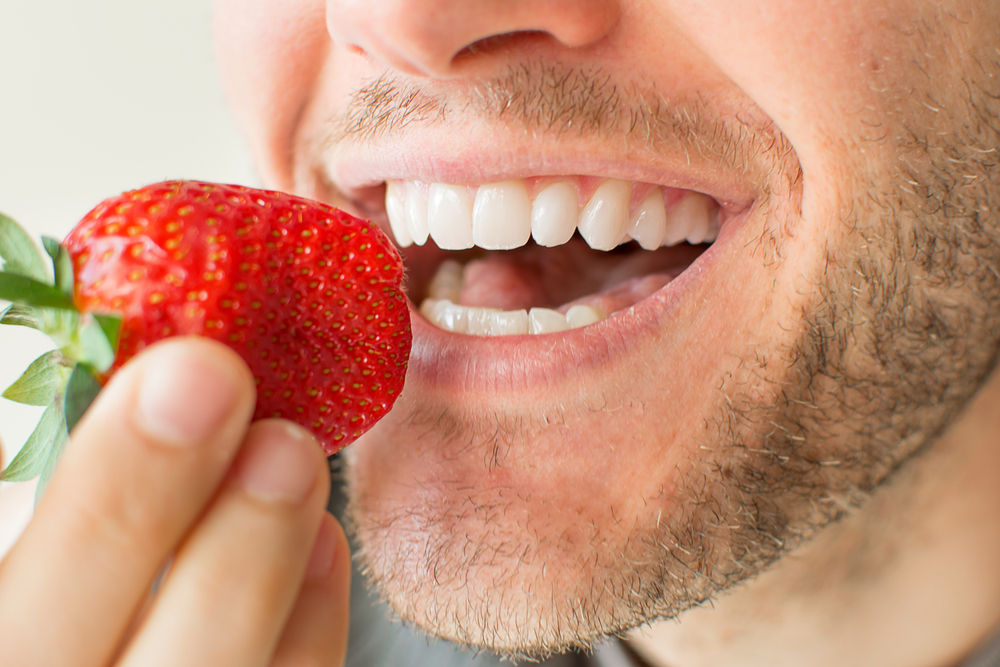
In part one of this two-part blog series, we looked at some of the most important concepts to keep in mind when it comes to eating after dental implant surgery. This is a common question area that many patients have after having dental surgery of any kind, and the answers you get in terms of what you can eat and when you can eat it will vary depending on a few factors.

At Trimble Dental, we’re happy to provide dental implant surgery for a variety of Menomonie patients and their every need — plus full expertise on how to manage your mouth following any such procedure. While part one of our series went over some general timing themes and a word on hard foods, today’s part two will look at a few other important concepts that will generally be advisable with regard to food and eating following dental implants.

Trimble Dental | Eating After Menomonie Dental Implants: Soft Foods, Avoid Acids

Stick to Naturally Soft Foods

Wherever possible, especially in the days immediately following your dental implant surgery, aim to stick to naturally soft foods. This means avoiding hard-to-chew foods like meat, but also more refined menu items like crusty breads and even potato chips.

You would be surprised how easy it can be to accidentally chip a tooth post-surgery if you’re not careful about what you’re eating and how you’re chewing. Rather than some of the options above, look for naturally soft foods like mashed potatoes, scrambled eggs, cheese, soups, yogurt and even certain fruits like bananas.

Meat Cravings

If you do have a meat craving, the general recommendation here is to go with a softer form of “meat,” ideally fish if you can get that. Salmon is a great choice, as it’s high in protein and also relatively easy to chew without worrying about accidentally nicking your new dental implants.

In addition, some patients might find that over time — as their implants settle in and the area around them heals — they can branch out a little bit and eat softer meat proteins. This will vary from patient to patient, so be sure to check with your dentist before making any such dietary changes on your own.

Avoid Acidic Options

For many patients, the dental implant surgery process is a time when they need to avoid acidic options that can cause irritation or discomfort in the mouth. This means avoiding foods like grapefruit and citrus, but also be careful with products like lemons and limes.

Given all of these factors — as well as any other individual advice you might receive from your dentist — you should be able to have a fairly smooth, easy transition back into your regular diet in the days and weeks following dental implant surgery. Check with your dentist for more advice on this topic and how best to keep your mouth healthy after any type of oral surgery.

To learn more about this or any of our dental implants or other general dentist services in Menomonie or nearby areas, speak to our team at Trimble Dental today.

Eating After Dental Implants: Timing and Problems With Hard Foods

If you’re scheduled for an upcoming dental implant procedure of any kind, you may have a few questions about how this process will go and some related areas. One of the most common topics we’re asked about here by patients: How will eating and drinking be altered in the immediate aftermath of a dental implant procedure?

At Trimble Dental, we’re happy to offer the very best dental implant services around, plus quality expertise and communication from our staff to any patient who has scheduled an implant procedure with us. In this two-part blog series, we’ll go over some simple tips how to maintain strong nutrition after a dental implant procedure without risking the healing process in your mouth.

Trimble Dental | Eating After Dental Implants: Timing and Problems With Hard Foods

How Long Will Recovery Take?

Firstly, maybe the most common question we get: How long will the recovery process be after dental implants? The answer can vary from person to person, but in general most patients report feeling back to normal within a few weeks following their procedure.

Of course, it’s vital during this time that you take care of your mouth as it heals – which includes being careful about what you eat. The precise amount of time during which you’ll have to be careful about your eating and drinking habits can depend on several factors, from the nature of the procedure itself to the speed of your individual healing process.

As a general rule of thumb, though, we tell our patients that they should be prepared to take it easy on their mouth for at least the first 24 hours following their procedure. Many patients will have to continue this approach for some additional period of time, whether that’s a couple days or up to a week or two in some cases.

Our next several sections will go over some of the general tips that we often provide to clients during this time.

Avoid Nuts, Seeds and Overly Crunchy Foods

During the initial period following your procedure, you’ll have to be careful about anything that could potentially disrupt the healing process in your mouth. This includes both hard foods that could cause physical damage as well as crunchy foods that might get caught on and disturb the area around your dental implants.

You should avoid eating any nuts, seeds or other small, hard items during this time. This also goes for popcorn, which can be difficult to eat without putting undue pressure on your mouth. It’s best if you stick to softer foods that are unlikely to cause any problems as you heal.

In addition, you should also avoid any excessively crunchy foods. This means things like chips, pretzels and the like – anything that might put unnecessary stress on your still-healing implants. It’s best to go for softer options like crackers during this time instead.

For more on this, or to learn about any of our dental implant or other oral health services, speak to the staff at Trimble Dental today.

Why Summertime Is the Best Time for Fastbraces®

If your kids are in need of braces, there is no time like summertime to get the ball rolling. This is particularly true when you opt for Fastbraces®, an innovative orthodontic treatment method that offers all the benefits of traditional braces within a quick and reasonable time-frame.

Because Fastbraces® often work within as few as 20 weeks, having them put on shortly before summer break means you can time their removal to coincide with a return to school or shortly thereafter, giving your child the added boost of confidence they need to start the year off right. Here is a look at why summer is an ideal time for Fastbraces®, courtesy of the Trimble Dental team.

It Gives Your Child Time to Adjust

It can take some time to adjust to orthodontic procedures, and waiting until school is done (or nearly done) lessens the chances the pain or soreness that sometimes coincide with this adjustment period will affect your child’s education.

Early Intervention is Key

It is wise to have Fastbraces® put on as soon as it is deemed necessary, because intervening early is your best bet at effectively fixing problems such as overbites, underbites or crooked teeth. Often, schedules are more flexible in the summertime than they are during the school year, so it is smart to get the process started as soon as you can to avoid taking time out of school or unnecessarily delaying important treatments.

It Can Soften the Blow of Returning to the Classroom

Just as you may get your kids new haircuts, clothes or shoes for back-to-school, having a new smile can make a considerable difference when it comes time to return to the classroom. In addition to helping your child feel better about his or herself, getting the process over with, or close to over with, before school begins reduces the chances of your child experiencing soreness or pain while enhancing his or her overall self-esteem.

Want to find out more about Fastbraces® in time for summer break? If you or your child are in need of orthodontics in Eau Claire, WI, call the Trimble Dental team at 715-235-2211.

One Response

  1. My sister is considering getting fast braces for her son. So thank you for suggesting that she get them done at the beginning of the summer so that her son will have time to adjust to the Orthodontics before school begins. I’ll be sure to let her know that she should have her son get fast braces at the beginning of the summer so her son will hopefully be able to get them off before school starts.

What Makes Trimble Dental Excellence Different

When it comes to caring for your overall oral health you want the best dentist in Menomie, WI. It can be difficult and time consuming to research dentists in your area, but taking the time to do so should help you find the right one for your needs. What makes Trimble Dental Excellence different from other dental practices is the quality of advanced dentistry offered .

Convenience and Comfort

It is vital for patients to feel comfortable in a dental office, and the Trimble Dental team understands this. The team has a passion for dentistry and helping patients maintain their oral health, and that commitment is reflected in the practice. Our staff at Trimble Dental Excellence puts the comfort of our patients at the forefront and we strive to make our appointments convenient so patients can get the quality of care that they not only need but also deserve.

Experience and Knowledge

To receive true quality care, your dentist should have plenty of experience and knowledge about the dental field and industry. Our practice has been in place for over 14 years, and we offer just about every dental service you and your family could need. the Trimble Dental team is educated, skilled, and experienced in the fields of implant dentistry, general dentistry, and cosmetic dentistry.

Affordable and Flexible

We know that one of the hesitations patients have with making their dental appointments is the affordability of treatment. That is why our office strives to make care affordable and our financing options flexible, so you can get the treatment you need when you need it. If you have any questions regarding cost or financing, talk to one of our friendly staff, and we will be happy to work with you toward a solution.

Advanced Dental Technology

Our state-of-the-art practice is dedicated to patient comfort and exceptional treatment outcomes. We offer several types of advanced care dental technology such as:

  • MI Paste Plus
  • BMP
  • Piezosurgery
  • PRGF
  • Digital x-rays
  • Prexion CT scanner
  • Computer-guided implant placement

Come See Us Today

Our skilled team is happy to offer advanced dental care to patients in the Menomie, WI area. To schedule your visit with the Trimble Dental team, contact our friendly office staff at Trimble Dental Excellence today.

What Are My Treatment Options for a Smile Makeover?

Does your smile make you feel self-conscious? It does not have to; instead, you can invest in a smile makeover in Eau Claire, WI. At Trimble Dental, the team works with patients to improve the appearance of their smile using several different procedures. Before you choose to undertake this process, it is important to know what it helps and the potential procedures that might be included.

What Issues Are Helped?

Each patient has different needs from the procedures. That is why the first step is to determine what problems you might have. There are many different issues your dentist can help with a smile makeover in Eau Claire, WI. Some of the most common include:

  • Decayed teeth
  • Missing teeth
  • Stained teeth or discoloration
  • Chipped or broken teeth
  • Crooked or misshapen teeth
  • Gaps or misaligned teeth
  • Grayness due to amalgam fillings

Even if your issues are not considered a threat to your oral health or general health, you still can fix them to get the smile you want.

Treatment Options

As the name implies, a smile makeover completely rejuvenates and restores your smile. After determining the issues affecting your smile, we create a comprehensive treatment plan to fix them. To accomplish this, we use an array of services including:

  • Veneers
  • Teeth whitening
  • Orthodontics
  • Dental implants
  • Bridges
  • Composite fillings
  • Crowns
  • Dental bonding
  • Gum reshaping
  • Inlays or onlays

The procedures your dentist use largely depend upon the issues requiring fixing. Some cases might require all of the procedures, but most will only need one or two to reach the goal. It is important to develop a plan so that you have the procedures in the right order while giving your mouth time to heal when necessary. In severe cases, it could take months or years to complete.

Schedule an Appointment

Contact our office to schedule an appointment with the Trimble Dental team to discuss your smile imperfections and the goals you have for your smile makeover. Once we’re done, you will no longer have to feel self-conscious about your smile.

3 Responses

  1. Much appreciated for giving us interesting illumination. I appreciate this post. I used to have the ability with discover decent majority of the data starting with your substance. Sensibly surprising. Fantastic undertaking. Extraordinary article!. I like this website virtually. Incredible information.
  1. A good friend of mine called me the other day with some questions about smile makeover services. She wanted to look into how this kind of procedure works. It would help her a lot to know that the procedure will largely depend on the issues that need fixing.
  1. Thanks for sharing your views… We are from Parijatak ayurveda..

Top Foods That Stain Your Teeth

Sometimes it seems like it’s the most delicious foods and drinks that inevitably stain your teeth. White teeth contribute to a brilliant, healthy-looking smile. However, it can be hard to keep your teeth white as you age when there are so many tempting foods that leave an indelible mark on your mouth. Fortunately, there are a number of teeth whitening procedures that can keep your smile bright – as long as you’re willing to pay the price. Before committing to professional teeth whitening, check out this list of foods that may be causing your stained teeth. See if you can bring yourself to give them all up, even for the sake of a brighter smile.

Foods that Stain Teeth

Citrus: Oranges, lemons, tomatoes, and all their associated juices can leave a yellowish stain on teeth because they strip the outer layer of enamel away.

Coffee and Tea: Dark, caffeinated beverages strip the enamel of your teeth similarly to citrus, and also leaves dark-colored stains behind.

Sweets and Soda: Sugary foods cause the bacteria in your mouth to swarm, releasing harmful acids that can damage and discolor your teeth.

Wine: Both red and white wine can cause staining, though the grayish color left behind by red wine can be harder to remove.

Berries and Pomegranates: Dark-colored fruit can leave its mark on teeth as well. If a fruit causes a stain that is hard to remove from fabric, chances are that it is going to be hard to remove from teeth as well.

Whitening Options

There are a number of different options for those who want whiter teeth. You can attempt to whiten at home using baking soda or whitening strips. However, if the stains on your teeth are more serious, you may have better results getting your dentist to do a professional teeth whitening treatment.

Find out more about how to get whiter teeth. Contact the office of our dentists in Menomonie, WI today to schedule a consultation.

2 Responses

  1. I enjoyed over read your blog post. Your blog have nice information, I got good ideas from this amazing blog. I am always searching like this type blog post. I hope I will see again….
  1. Really amazing post. Nicely provided list of food that stain teeth. Very informative and concise.

Thank you for the cost

Tooth Sensitivity: Basics and Simple Remedies

There are a few relatively common dental conditions out there, and one of these is the realm of tooth sensitivity. Impacting about one in every eight people, tooth sensitivity symptoms can range from minor aches and pains up to massive, life-altering pain — luckily, though, there are some good solutions available for people who deal with it.

At Trimble Dental, we’re proud to offer general dentistry and related services that assist clients with a huge range of potential issues, including tooth sensitivity and any related problems. What exactly is tooth sensitivity, and what are some of the methods our dentists commonly recommend to clients who deal with it, depending on severity and other factors? This two-part blog series will go over everything you need to know here.

Trimble Dental | Tooth Sensitivity: Basics and Simple Remedies

Tooth Sensitivity Basics and Causes

As we noted above, tooth sensitivity can vary pretty significantly from person to person. For some people it’s present only rarely, causing minor discomfort that goes away quickly and doesn’t require any special treatment. Others, however, have to deal with chronic, debilitating pain, particularly when they eat or drink anything cold that triggers the sensitivity.

There are a few different things that can cause tooth sensitivity in the first place. In some cases, it’s simply due to an issue with the enamel — this is the hard outer layer of each tooth that protects the inner layers, made up of things like dentin. When the enamel wears down, it can expose the dentin and lead to increased sensitivity as a result.

Other times, though, it has more to do with the gum line or cavity issues. If the gum line recedes, it can leave more of the root exposed. And cavities, of course, are another big issue that can cause pain and sensitivity.

Luckily, there are ways to stop pain from sensitive teeth. Our next several sections will go over the most common.

Desensitizing Toothpaste

For many people, desensitizing toothpaste is a good first step towards reducing pain. These pastes don’t necessarily fix the underlying issue, but they can help to numb the nerve endings and reduce the amount of pain you feel when you eat or drink.

There are a few different brands of desensitizing toothpaste on the market, so it pays to do your research. If you’re looking for good recommendations here, our staff will be happy to help.

Topical Fluoride Application

For others still, topical fluoride application is the best way to go. This isn’t something you can do on your own; we recommend coming in for a professional session with one of our dentists if you’re interested in trying this method out.

This treatment involves us coating your teeth with a special fluoride based gel that penetrates deep into the enamel and helps to strengthen it. This can reduce the risk of cavities and also help to reduce pain and sensitivity.

In part two of our series, we’ll go over some more involved procedures that may be necessary for those who deal with extreme tooth sensitivity. For more on this, or to learn about any of our dental implants, cosmetic dentistry or any of our other dental care services, contact our staff at Trimble Dental today.

Tooth Sensitivity: Advanced Remedies for Significant Cases

In part one of this two-part blog series, we looked into some of the basics on tooth sensitivity. We went over what this condition is and why it happens, plus a couple preliminary methods that often serve as remedies for those who deal with tooth sensitivity in any part of the mouth.

At Trimble Dental, we’re proud to offer a huge range of dental services, from general dentistry to sedation dentistry, emergency services and many other areas in between. In today’s part two of our series, let’s dig a bit further into some of the more in-depth remedies that are sometimes needed for those who have significant or severe cases of tooth sensitivity.

Trimble Dental | Tooth Sensitivity: Advanced Remedies for Significant Cases

Root Canal

Sadly, some of the same elements that lead to tooth sensitivity can also lead to infection in or around the root of the tooth. When this occurs, a root canal may be required in order to save the tooth and prevent serious pain or damage.

A root canal is a fairly common procedure that our dentists here at Trimble Dental are highly skilled at performing. The goal of a root canal is to remove the infected pulp from inside the tooth while also cleaning and disinfecting the inside of the tooth. Once this is done, the tooth is then sealed off to prevent future infection.

In many cases, a root canal can save a tooth that would otherwise need to be extracted. And while root canals have somewhat of a bad reputation, they’re actually not nearly as painful as most people believe. Thanks to advances in dental technology and pain management, root canals these days are typically no more painful than getting a filling.

Bonding or Desensitizing

Another approach that can be taken to help with tooth sensitivity is what’s known as “bonding” or “desensitizing.” This involves using a special type of dental resin that’s applied directly to the sensitive teeth in order to help shield them from hot, cold or acidic stimuli.

In some cases, this resin can be applied directly to the exposed root surfaces. In other cases, it may be used to fill in any cracks or chips in the teeth that may be causing sensitivity.

The bonding material is usually very strong and can last for several years with proper care. And best of all, it’s a relatively quick and easy procedure that can be done right here in our office.

Surgical Gum Graft

In some other cases, tooth sensitivity is a result of receding gums. When the gums start to pull away from the teeth, it can expose the roots and make them much more sensitive to hot, cold or acidic stimuli.

In cases like this, a surgical gum graft may be needed in order to cover up the exposed roots and help protect them from further damage. This is a fairly common procedure that’s typically done right here in our office.

During a gum graft, a small piece of gum tissue is taken from another area of the mouth and then grafted onto the exposed root surfaces. This helps to cover up the roots and protect them from further damage. In some cases, artificial gum tissue may also be used.

For more on the remedies that might be needed for extensive tooth sensitivity, or to learn about any of our general dentistry or other services, speak to the staff at Trimble Dental today.

Symptoms of a Dental Emergency

Regular dental care is an important part of keeping your teeth and gums healthy for the long-term. We recommend that patients stick to the routine of getting a checkup at Trimble Dental every six months; this regular care lets us catch developing problems before they become too serious. Unfortunately, even the most regular dental care cannot always prevent an emergency from occurring. A dental emergency is a concern that requires immediate attention from a dentist and cannot safely be put off for a later date. We are pleased to offer emergency appointments with the Trimble Dental team to our valued customers in Menomonie, WI.

The Symptoms of a Dental Emergency

There are a few symptoms that distinguish a dental emergency, including:

  • Severe tooth ache
  • Loose tooth
  • Lost crown
  • Abscesses
  • Broken veneers
  • Broken bridgework or dentures
  • Knocked-out tooth
  • Trauma or injury to teeth, gums, or jaw

These are some of the emergencies that require immediate attention by a dental care professional. Any condition that harms the integrity of the tooth or that puts oral tissue at risk should be given prompt attention. Trimble Dental offers same-day appointments for emergencies; we also offer on-call and emergency hours to better address sudden concerns.

If a tooth has been knocked out, place it in a glass or milk or back in the socket. If the socket is harmed, hold the tooth between the cheek and gum. Do not transport the tooth in water and take care to avoid touching the tooth root.

Seeing a Dentist for a Developing Concern

There are less pressing concerns that, while not emergencies, should be treated by a dentist at the soonest possible date. For instance, a tooth ache that is painful but manageable does not require immediate attention. Simply call our office and tell us about your problem. We will be able to schedule an appointment for you as soon as possible. We can usually schedule these appointments in short order.

3 Responses

  1. Hola! I felt that mainstream writing is boring and Old School is enough to entertain. But now, I am changing my opinion because this article changed my view on mainstream writing, much appreciation!
  1. I wanted to thank you for explaining what counts as a dental emergency. I didn’t know that any abscesses could count as a dental emergency. I wouldn’t mind knowing if the abscess should look a certain way or if any at all should be looked at by a dentist.
  1. I think it’s important to know the difference between symptoms of a dental emergency or something that can wait. It’s good to know that broken teeth or a severe tooth ache will be an emergency. Something more important for your health could be at stake. It’s good to know that there are places that offer same-day appointments, like you said.