
Gum disease is the leading cause of adult tooth loss. The Trimble Dental team diagnoses and treats periodontal disease in-house at Trimble Dental, with no referral required.
Periodontal treatments are a category of dental care focused on diagnosing, managing, and treating diseases of the gum tissue and bone that support your teeth. Gum disease progresses in stages, from early gingivitis, which is inflammation of the gums, to periodontitis, a deeper infection that affects bone and tissue. Most cases begin without obvious pain, which is why regular screenings are critical.
Treatment ranges from deep-cleaning procedures called scaling and root planing to antibiotic therapy and ongoing maintenance appointments.
At Trimble Dental, the team manages all stages of gum disease entirely in-house, so patients never need to be sent to an outside periodontist for standard or advanced periodontal care.

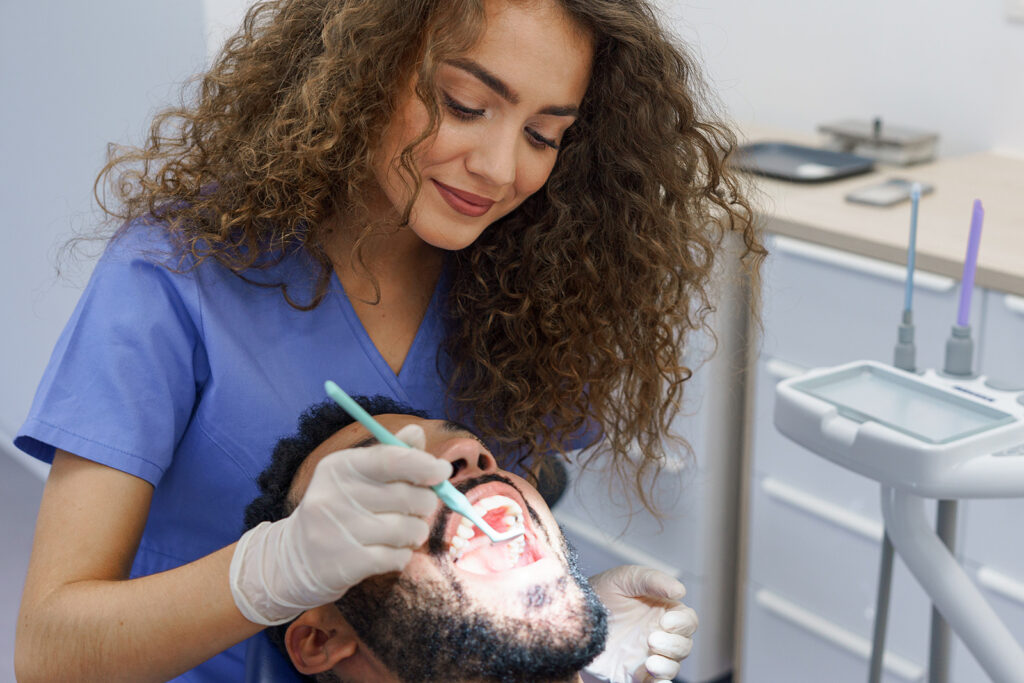
Benefit 1: Protecting Your Teeth
Gum disease is the leading cause of tooth loss in adults. Treating it early and maintaining the results with regular periodontal maintenance appointments is the most reliable way to keep your natural teeth long-term.
Benefit 2: Protecting Your Overall Health
Research continues to find strong connections between untreated periodontal disease and systemic conditions including heart disease, diabetes, and pregnancy complications. Healthy gums are not just a dental priority. They are a health priority.
Benefit 3: Stopping Progression Before It Escalates
Early-stage gum disease is highly treatable with non-surgical deep cleaning. Advanced periodontitis is far more difficult and costly to manage. Intervention at the right time prevents a manageable problem from becoming a serious one.
Benefit 4: Maintaining Implant and Restoration Health
Patients with implants or other restorations have an especially strong reason to keep gum disease under control. Untreated periodontal disease is one of the most common causes of implant failure and restoration complications.
Step 1: Periodontal Evaluation
At every comprehensive exam at Trimble Dental in Menomonie, the Trimble Dental team measures gum pocket depths, checks bone levels, and assesses tissue condition. This screening identifies gum disease at any stage, including early cases that show no obvious symptoms.
Step 2: Diagnosis and Treatment Planning
If gum disease is identified, the Trimble Dental team explains the severity, what treatment is recommended, and what the process will look like. Patients understand their situation fully before any treatment begins.
Step 3: Scaling and Root Planing
For active periodontal disease, the Trimble Dental team performs scaling and root planing, a thorough deep-cleaning procedure completed below the gumline. The treatment is typically divided into two appointments, one side of the mouth at a time, with local anesthesia for comfort.
Step 4: Antibiotic Therapy if Indicated
In some cases, localized antibiotic treatment is added to the deep-cleaning protocol to target bacterial infection at the source and improve healing outcomes.
Step 5: Periodontal Maintenance
After active disease has been treated, patients transition to a periodontal maintenance schedule, typically every three to four months. The Trimble Dental team monitors pocket depths, cleans below the gumline as needed, and watches for any signs of recurrence.
Step 6: Long-Term Monitoring
Gum disease can be managed successfully with consistent maintenance. The Trimble Dental team tracks your periodontal health over time and adjusts the treatment approach whenever the clinical picture changes.
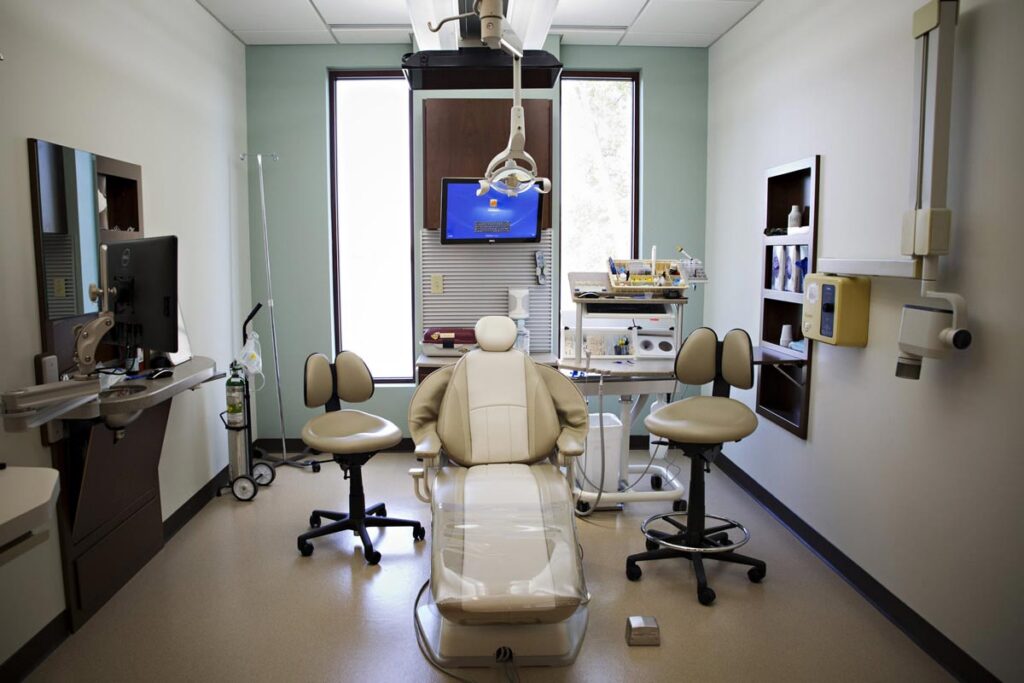
Trimble Dental has served the Menomonie area for over 60 years. Here’s what our patients say about their experience.
The Trimble Dental team is glad to explain what stage of gum disease you may have and what treatment will involve before your appointment.
Gum disease often develops without obvious pain. Common signs include bleeding gums when brushing or flossing, persistent bad breath, swollen or receding gums, and teeth that feel loose. However, many cases show no noticeable symptoms until they have progressed. The most reliable way to know is a periodontal evaluation with the Trimble Dental team.
The procedure is performed under local anesthesia so the actual deep cleaning is not painful. Some patients experience mild sensitivity and soreness in the gums for a few days afterward, which is normal and typically resolves quickly. Sedation is available for patients who want additional comfort.
Gingivitis, the earliest stage of gum disease, can be fully reversed with professional treatment and improved home care. More advanced periodontitis can be controlled and stabilized effectively, but it requires consistent maintenance to prevent recurrence. The Trimble Dental team will give you a realistic picture of what to expect based on your specific case.
Most patients who have been treated for active gum disease benefit from maintenance appointments every three to four months rather than the standard twice-yearly schedule. This frequency gives the Trimble Dental team the opportunity to catch early signs of recurrence and keep your gum health stable over the long term.